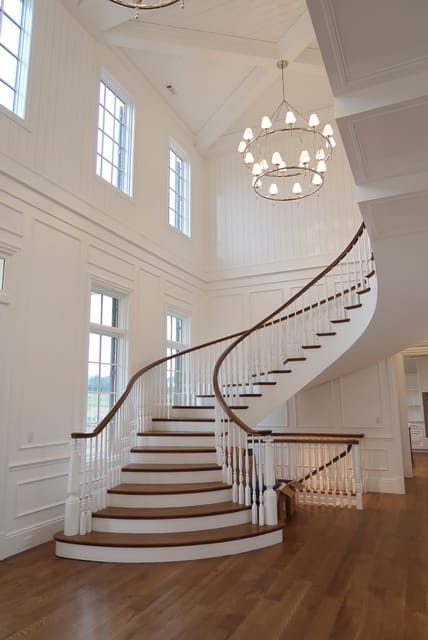
A floating staircase is among the most searched-for and misunderstood architectural features in modern stair design. At first glance, they appear simple. Clean lines. Minimal structure. A design that could be replicated with the right materials and a decent set of plans. This is exactly where most build-your-own guides get it wrong.
A floating stairway is not a finish-level decision. It is a structural system that must be engineered correctly from the beginning of the project. DIY resources may not provide a staircase that performs well for decades, leading to long-term safety and structural issues.
Key Points
- Floating stairways are structural systems, not simple finish carpentry projects, so they must be engineered correctly from the start.
- Many build-your-own guides underestimate the need for hidden wall or floor reinforcement, which is often essential for safety and long-term performance.
- Code compliance is a major part of floating stair design, including tread depth, riser consistency, guardrails, and load-bearing standards.
- Material and railing choices affect more than appearance; they directly impact durability, stability, maintenance, and safety.
- Professional planning helps prevent costly mistakes by aligning design, structure, code requirements, and installation from the beginning.
What Exactly is a Floating Staircase?
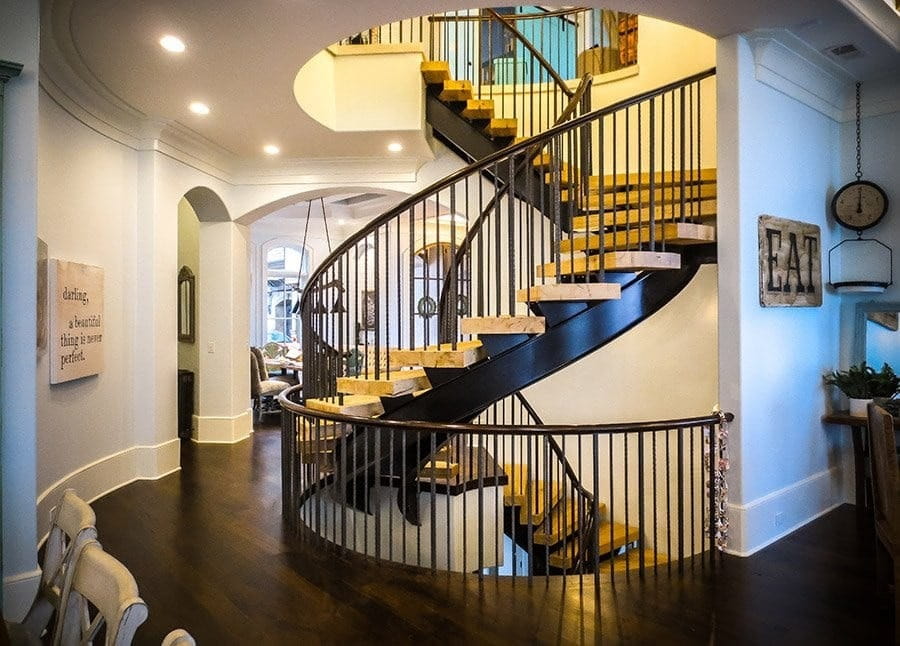
- The absence of visible structural support beneath the treads defines a floating stairway.
- Instead of traditional side stringers, the floating support system is concealed within the structure itself. This can be achieved through mono stringers, hidden steel frameworks, or wall-anchored systems.
- The visual simplicity of stairs that float hides significant complexity.
- Every stair tread must be engineered to support load, resist movement, and maintain long-term stability.
To understand more about how these systems are properly developed from concept through installation, read about the maintenance and longevity of floating stairs.
The Biggest Mistake DIY Stair Guides Make
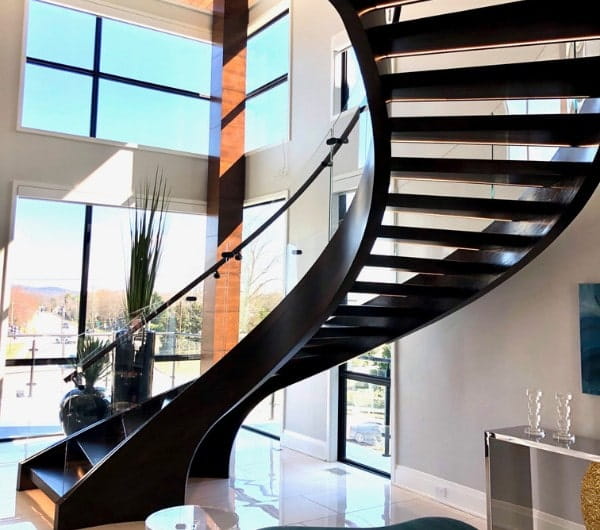
Oversimplifying Structural Requirements
Most DIY guides treat floating stairs like a finish carpentry project. In reality, they are a structural engineering challenge first. Each tread must support dynamic loads from daily use. This includes multiple users, shifting weight, and long-term material stress. Without proper load calculations, stairs can flex, creak, or fail over time. This is not a cosmetic issue. It is a safety issue.
Ignoring Wall and Floor Reinforcement
True floating and cantilevered staircases often rely on hidden steel reinforcement within walls or floors. This requires coordination during framing, not after drywall is installed. DIY plans rarely address this requirement, which leads to retrofitting attempts that compromise both structure and design.
Code Compliance Is Not Optional with Floating Staircases
Floating stairways must meet the same core building codes as standard stairs. The difference lies in the engineering requirements, not so much in the code. These include consistent riser heights, minimum tread depth, guardrail requirements, and load-bearing specifications. These are not design suggestions. They are enforced safety requirements. Many DIY resources either overlook these standards or present outdated information.
For accurate guidance and other stair safety regulations, the Stairbuilders & Manufacturers Association is an excellent resource.
The Stair Railing Challenge Most Plans Ignore
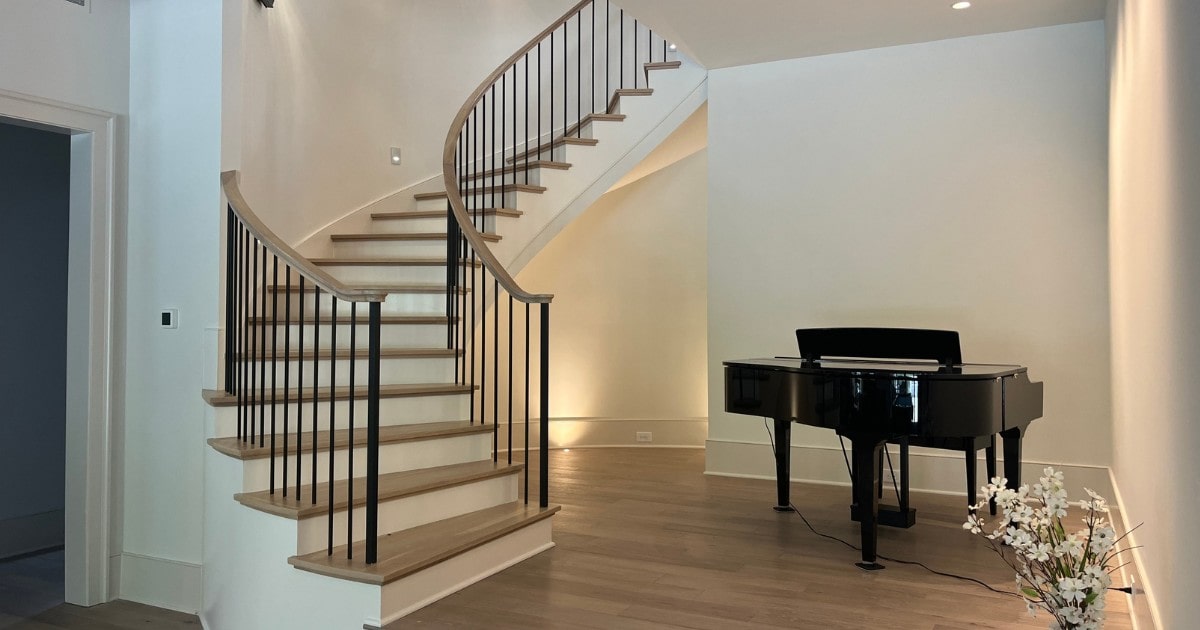
One of the defining features of floating staircases is the clean, open look. However, this poses a safety challenge. Railings must meet code while maintaining the visual intent. This is where many DIY designs fail. They either compromise safety for aesthetics or add bulky railings that undermine the design. Modern solutions include:
- Glass railing panels
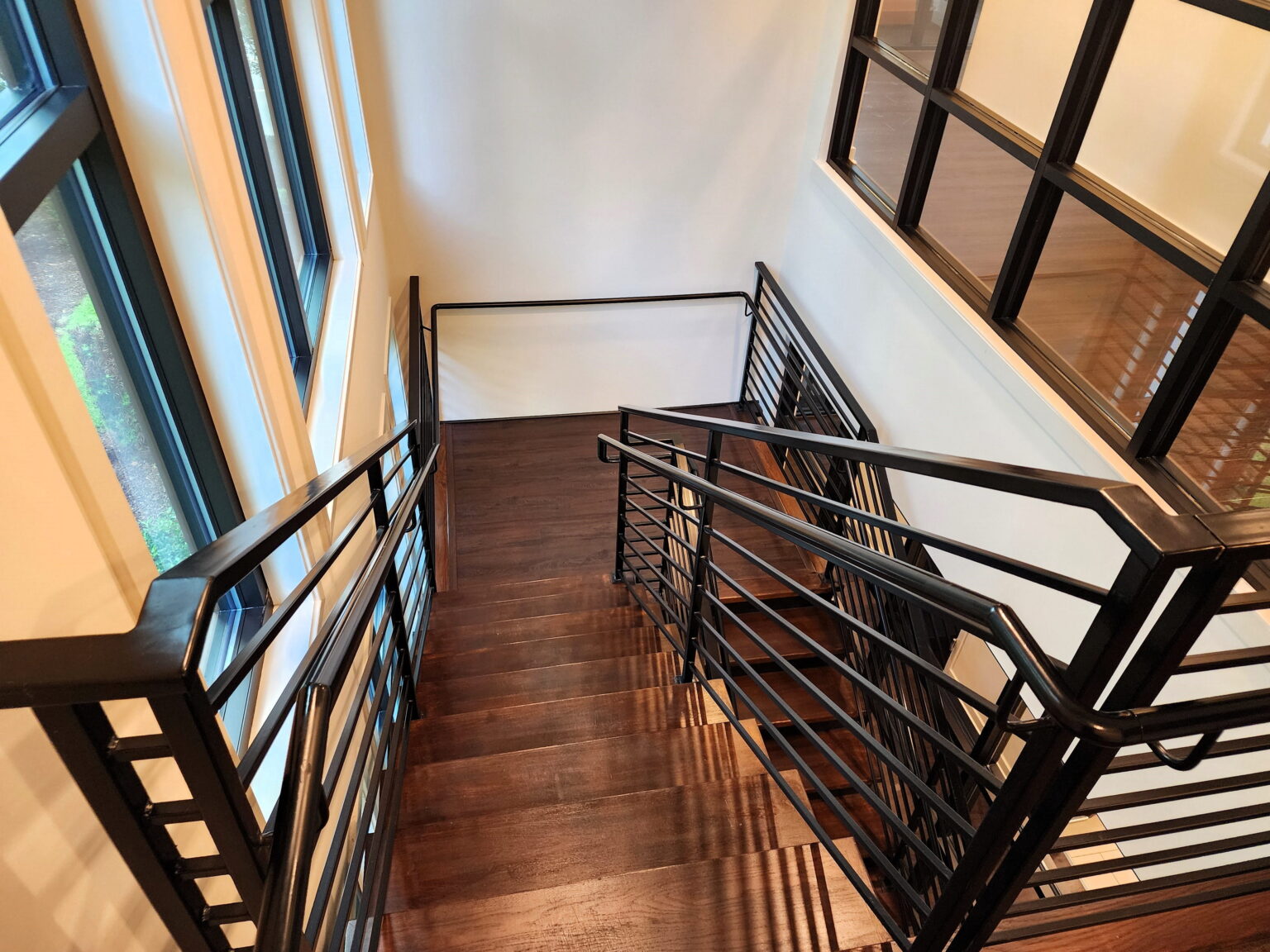
- Horizontal metal systems
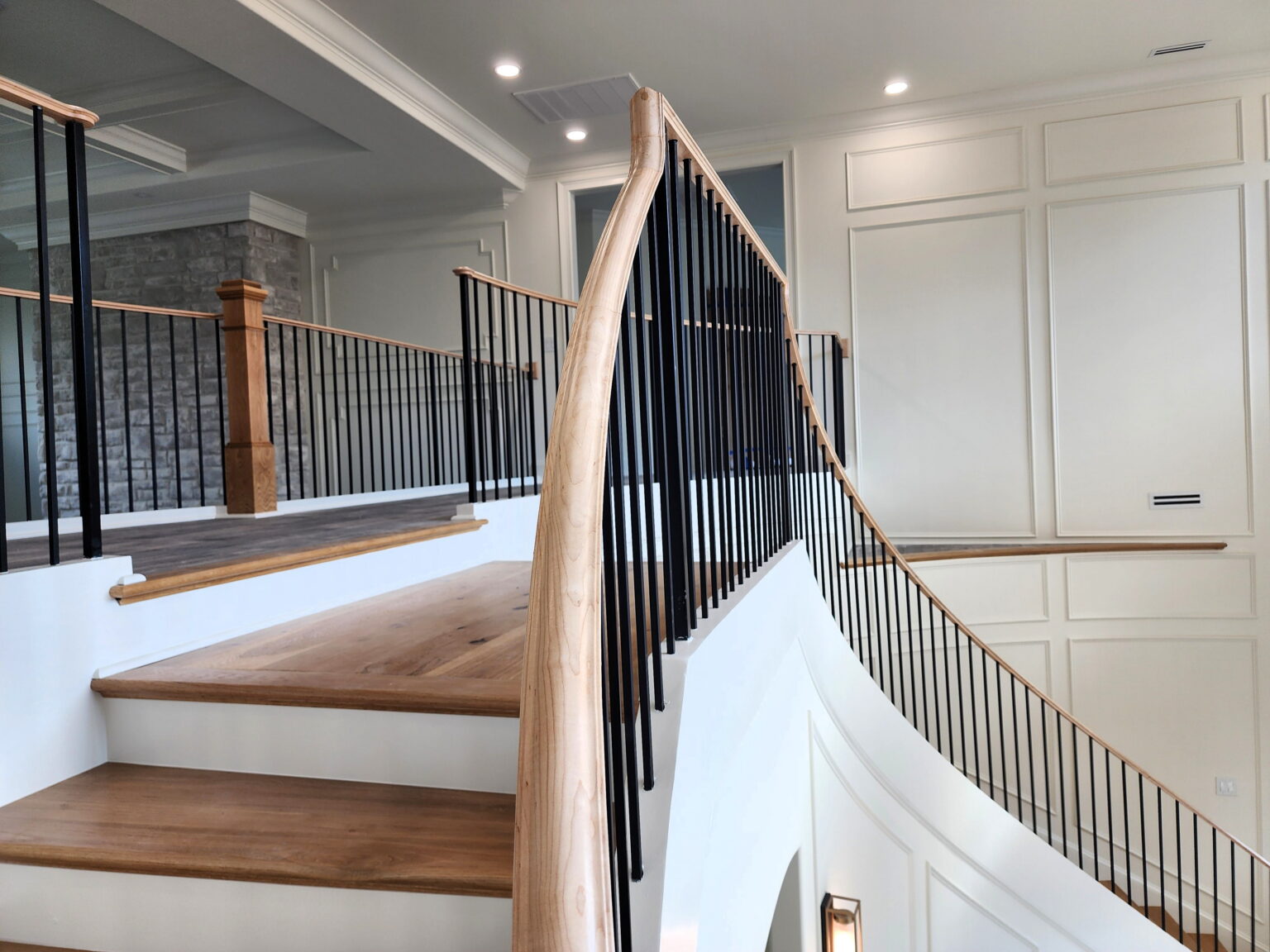
- Minimalist handrails
These options balance safety and design when properly integrated. For a deeper breakdown, review options for modern staircase materials and finishes.
Floating Staircase Material Selection Impacts Performance
DIY guides often focus on appearance without addressing how materials perform over time.
- Wood treads must be properly supported and finished to resist wear.
- Steel components must be fabricated precisely to avoid structural inconsistencies.
- Glass railings must meet thickness and mounting requirements.
Every material decision affects durability, safety, and maintenance.
Why Does Professional Stair Design Matter?
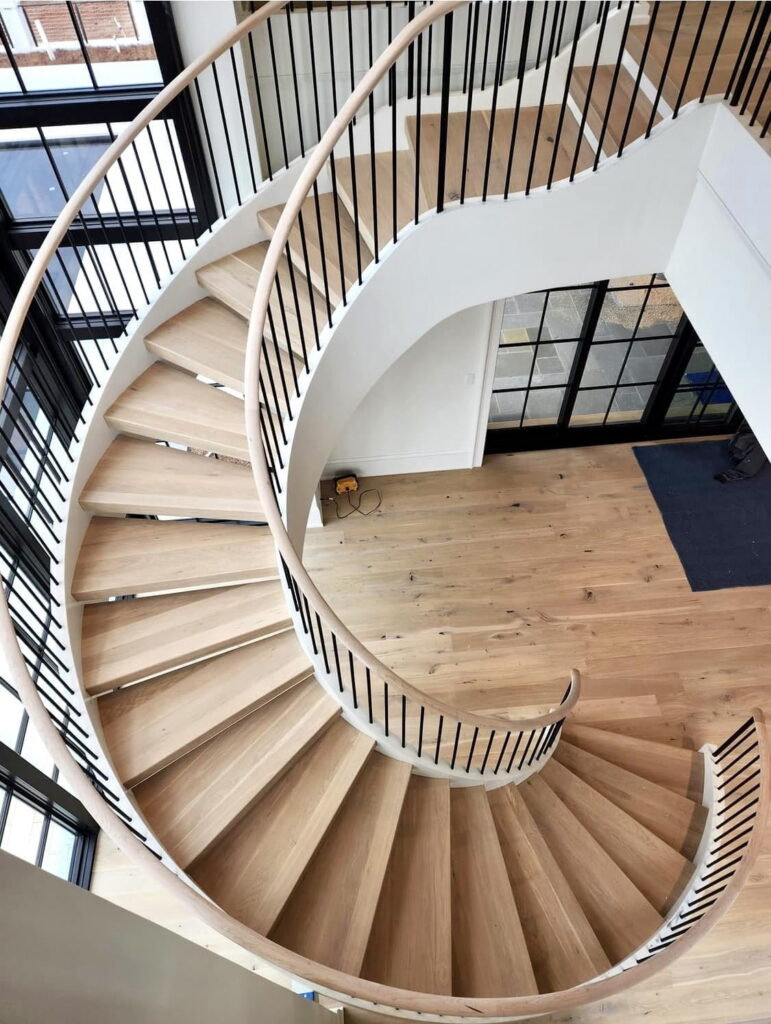
A professionally designed floating stairway accounts for structural requirements, code compliance, and usability from the beginning. This includes load calculations, integration with the home’s framing, and coordination with other trades. It also ensures that the final installation feels solid, performs consistently, and meets all safety standards. Floating staircases are not forgiving; small planning mistakes can lead to major issues during installation.
When Does a Floating Staircase Make Sense?
Floating stairways are ideal for homeowners and designers who want to maximize openness, light, and modern design impact. They work best in spaces that allow for proper structural support and thoughtful integration. They may not be the right solution when budgets are tight, structural modifications are limited, or safety concerns require more enclosed designs.
3 Common Misconceptions About Floating Stairways in Homes
- They Are Easy to Build.
Floating stairs are one of the most complex stair systems to design and install, but the end result is breathtaking and a sure conversation-starter.
- They Do Not Need Engineering.
All floating staircases require structural planning and load calculations.
- They Are Less Safe.
When designed correctly, they meet all safety and code requirements. Safety depends on execution, not style.
Frequently Asked Questions About Floating Staircases
Can a floating staircase be added to an existing home?
Yes, but it often requires structural modifications to properly support the system.
Are floating stairs more expensive?
They can be, depending on the level of engineering and customization required.
Do floating stairs meet building codes?
Yes, when properly designed and installed in accordance with current standards.
Your Floating Stairway Awaits: Get Started with Our Stair Experts
Floating staircases require engineering, not just design. DIY guides often overlook structural and code requirements. Material selection and railing systems are critical to both safety and aesthetics. Early planning is essential to avoid costly mistakes. Professional design ensures long-term performance and compliance.
A floating staircase is not just a design feature. It is a structural investment that impacts the safety, function, and value of your home. If you are considering this type of staircase, the best next step is to start with a plan that aligns design with engineering.
To better understand your options, work with professional stair builders to bring your vision to life with precision and confidence.