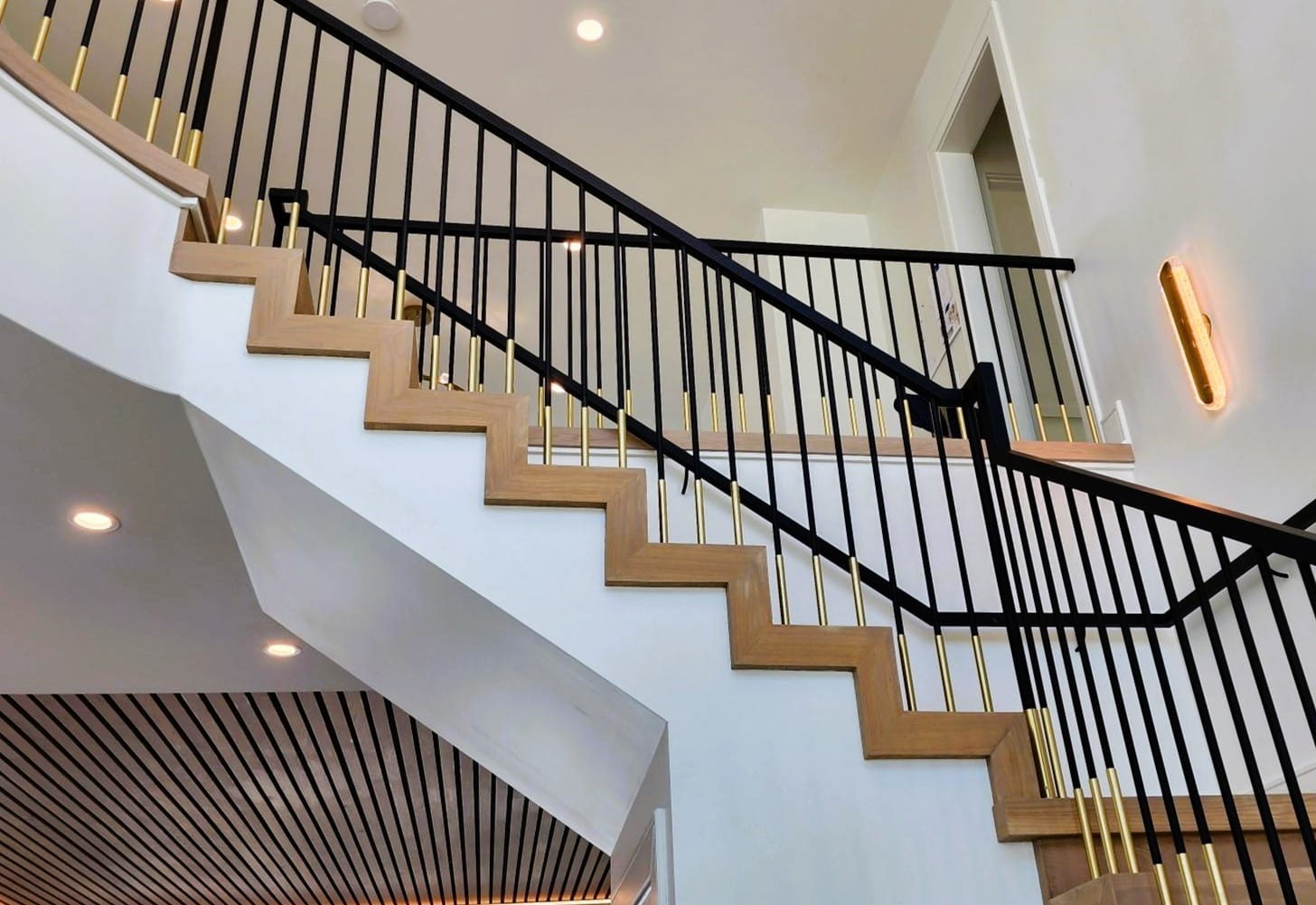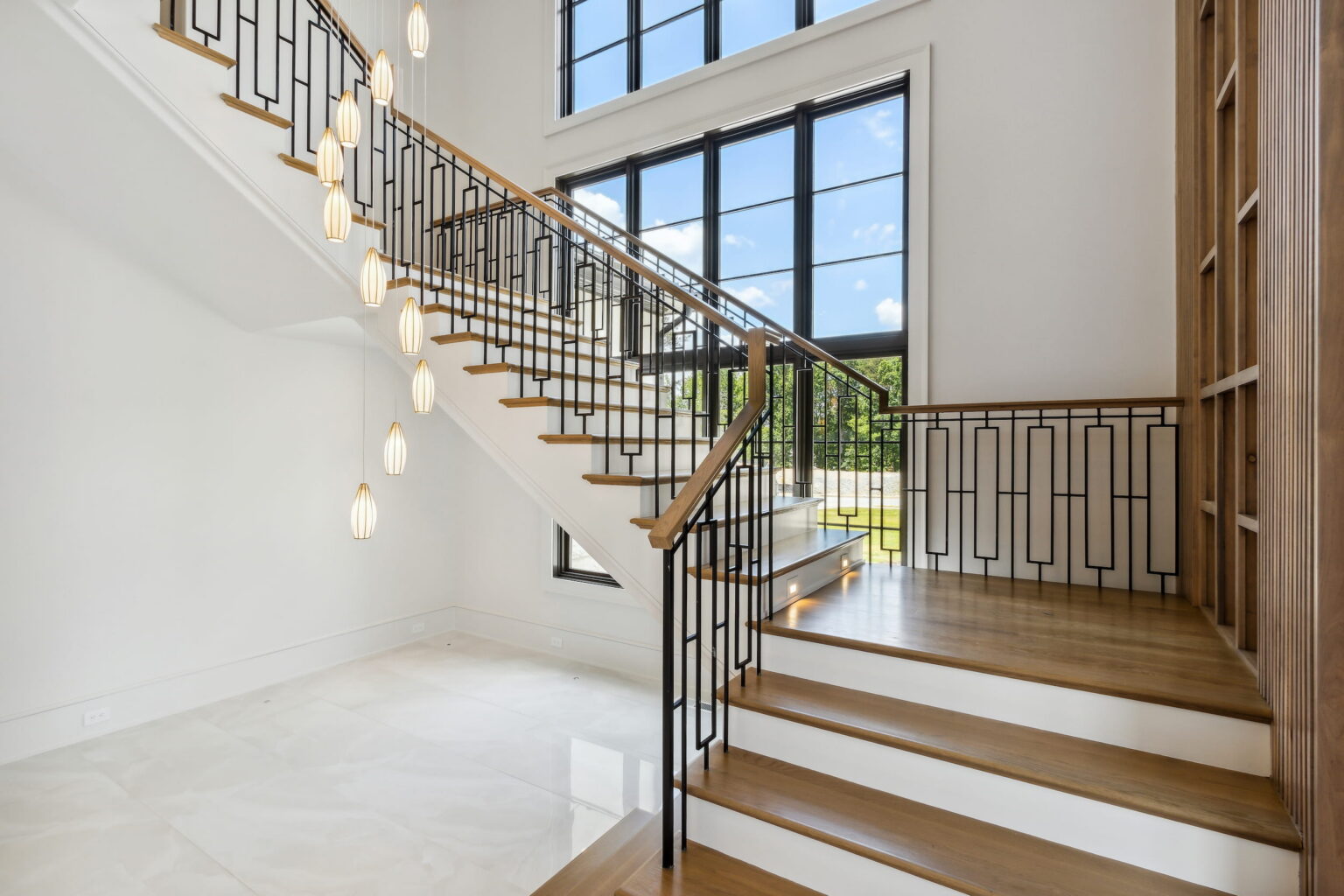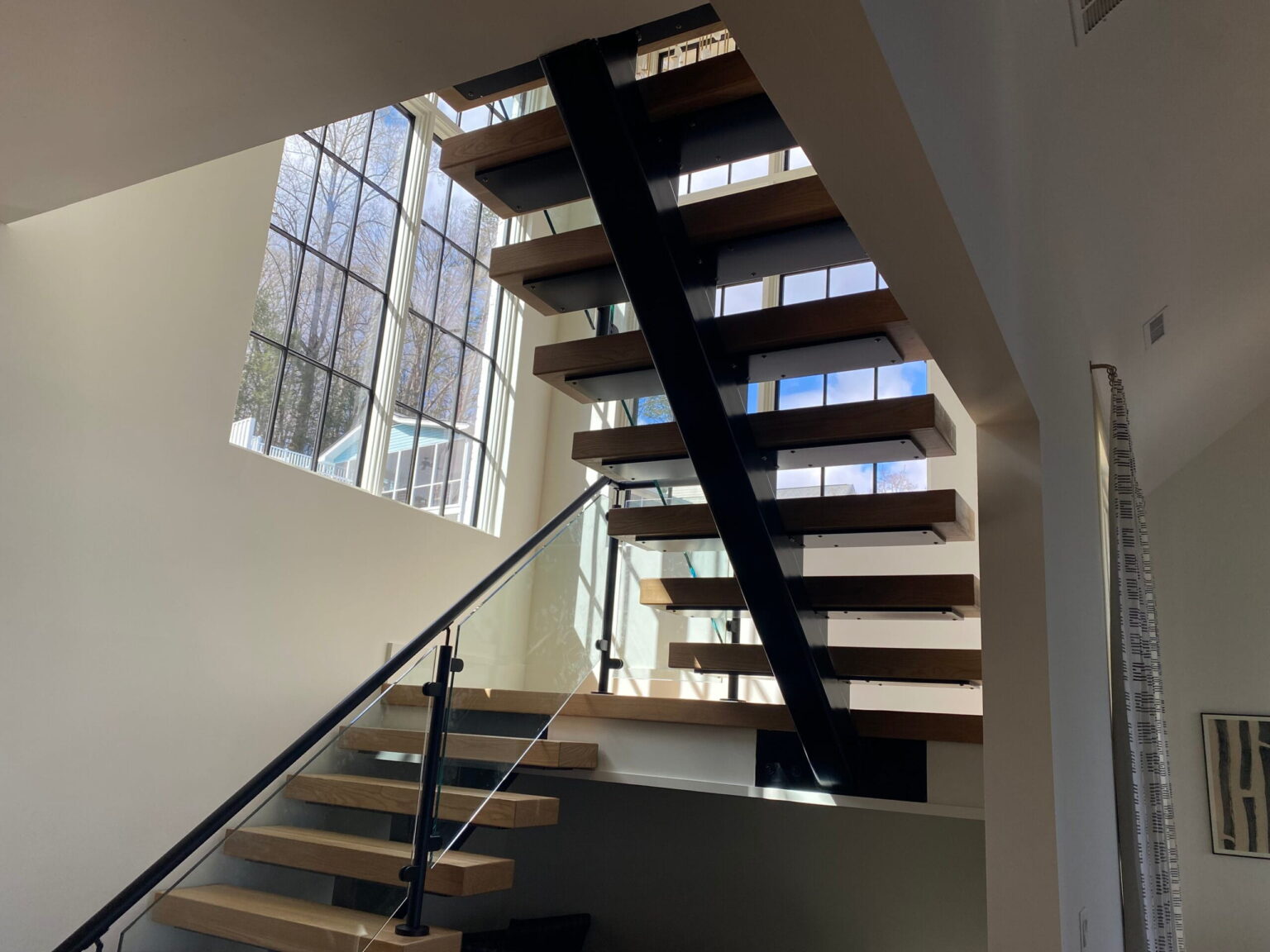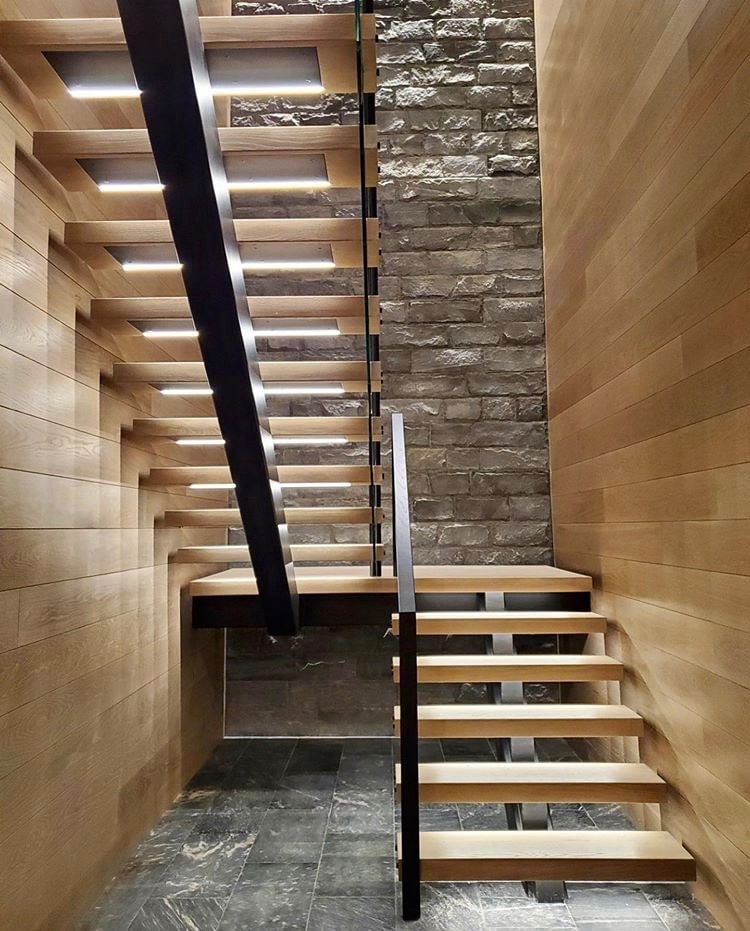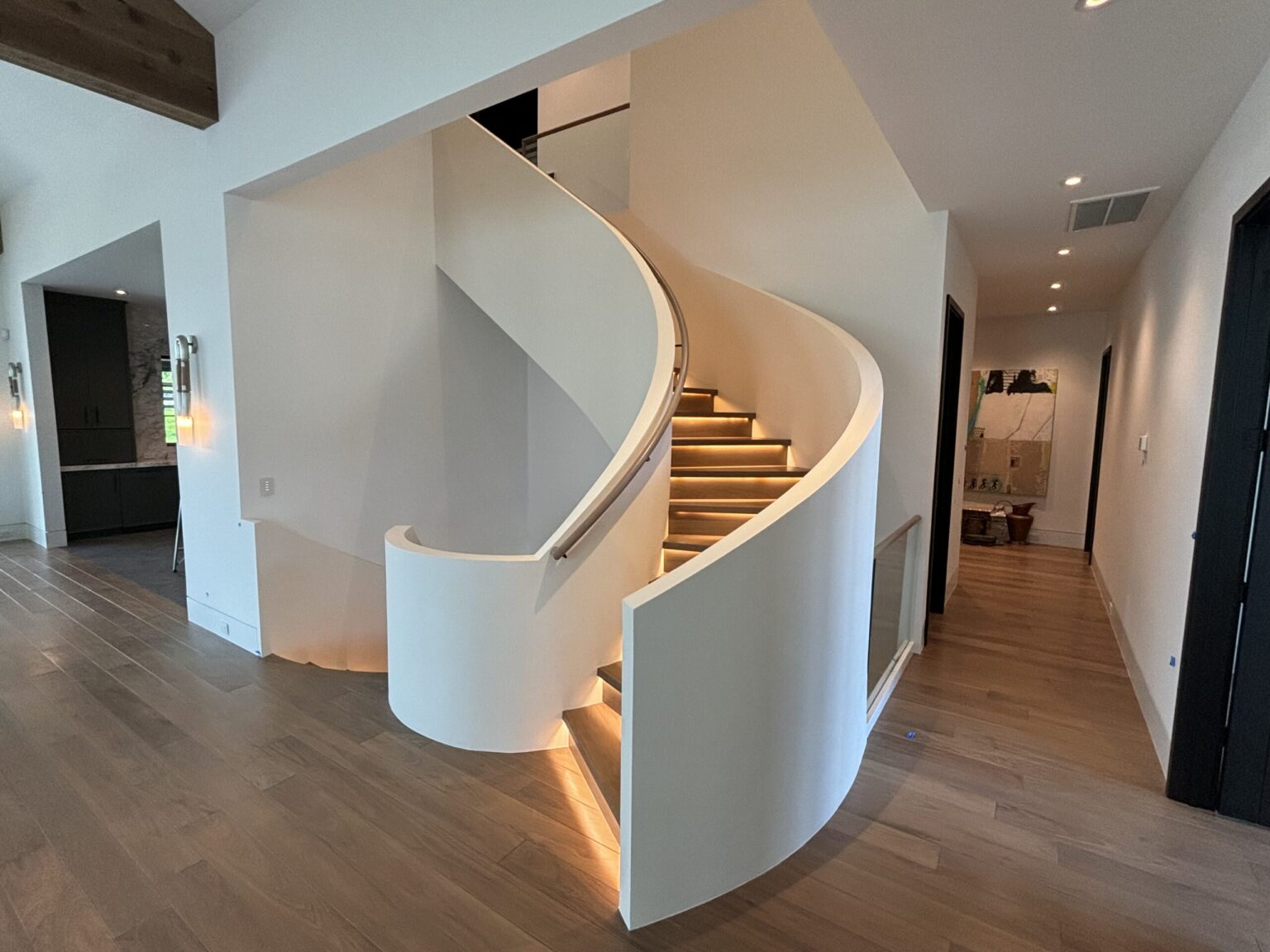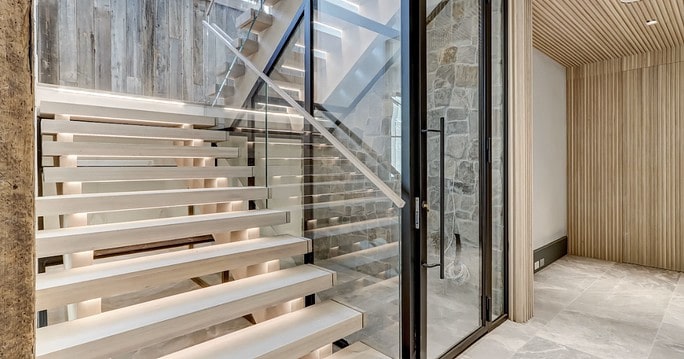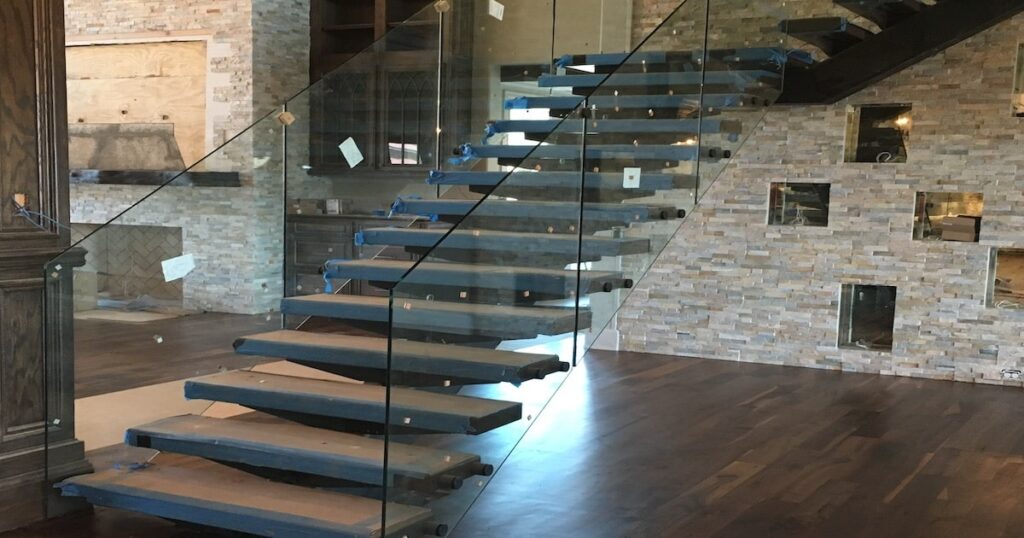
Floating stairs, also known as cantilevered stairs, have become a defining feature of modern architecture. Their visual lightness, hidden structure, and sculptural presence make them a favorite for contemporary homes and commercial spaces alike. While floating staircases may appear effortless, they are in fact highly engineered systems. Their longevity depends on informed ownership, proper material choices, and routine maintenance. Understanding how these stairs behave over time helps owners protect both their investment and their safety.
Key Takeaways
- Floating staircases are highly engineered systems, not decorative add-ons.
- Material choice directly affects maintenance needs and longevity.
- Routine visual inspections help catch issues early.
- Properly built cantilevered stairs should not loosen or sag over time.
- Well-maintained floating stairways add lasting architectural and resale value.
How are Floating Stairs (Cantilevered Stairs) Engineered to Last?
A floating stair is not actually floating. Each tread is supported by concealed structural elements, typically a steel stringer embedded into a wall or a concealed spine beneath the treads. Cantilevered stairs rely on load transfer into the wall structure, which means the wall itself is part of the stair system.
When designed and installed correctly, floating stairs can last decades. Longevity begins with engineering. Load calculations, wall reinforcement, steel thickness, and connection details all play a role. Unlike traditional stairs, cantilevered stairs concentrate forces at fewer structural points, which makes precision critical.
Owners should be aware that a well-built floating stair will not loosen or sag over time. Movement, vibration, or audible creaking typically indicates an installation or structural issue rather than normal wear and tear.
Material Choices for Floating Stairs and Their Impact on Maintenance
The materials used for floating stairs significantly impact the amount of maintenance required.
- Wood treads offer warmth and visual softness, but they also respond to changes in humidity and temperature, providing a comfortable and consistent experience. Seasonal expansion and contraction are normal, but excessive gaps or cracks may indicate environmental control issues.
- Steel components, often hidden, require minimal maintenance when properly coated and protected. Powder-coated or galvanized steel resists corrosion well in interior environments.
- Glass railings are durable but demand regular cleaning to maintain clarity. Hardware connections should be checked periodically to ensure they remain tight and aligned.
- Stone or concrete treads are incredibly durable but can transmit sound and vibration more readily if not isolated adequately during installation.
Choosing materials that match the environment and usage patterns of the space reduces long-term maintenance demands.
Routine Maintenance Best Practices for Floating Stairs
Floating stairs benefit from light but consistent maintenance rather than heavy intervention.
- Cleaning should follow material-specific guidelines. Wood treads should be cleaned with non-abrasive products and never saturated with water. Glass railings should be cleaned with ammonia-free cleaners to protect seals and finishes.
- Annual visual inspections are recommended. Owners should look for changes such as hairline wall cracks near tread connections, loose rail fittings, or unusual noises when walking on the stairs.
- In homes with significant humidity swings, maintaining stable indoor conditions helps preserve wood and reduce stress on connections.
Understanding Wear, Movement, and What Is Normal
A common concern among owners is whether the movement of floating stairs is normal. Properly engineered cantilevered stairs should feel solid underfoot. Minor vibration can occur due to the open design, but it should not increase over time.
Surface wear on stair treads is expected in high-traffic areas, especially on wooden surfaces. This is a cosmetic issue rather than a structural one and can often be addressed through refinishing.
What is not normal includes visible deflection, progressive looseness, or cracking at structural connection points. These issues warrant immediate professional evaluation.
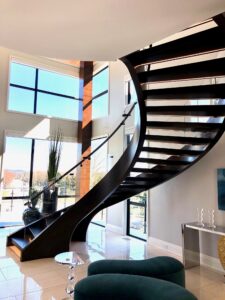
Long-Term Value and Lifespan Expectations with Floating Stairs
Floating stairs are often perceived as delicate, but in reality, their lifespan rivals or exceeds traditional staircases when properly designed. Steel-based cantilevered stairs can last the lifetime of a building.
Their long-term value lies not only in durability but also in adaptability. Treads, railings, and finishes can often be updated without replacing the structural core, allowing the stairs to evolve with changing interior styles.
For resale, well-maintained floating staircases are a premium architectural feature that signals quality construction and thoughtful design.
FAQs About Floating Stairs
Q: Do floating stairs require more maintenance than traditional stairs?
A: No. Floating staircases require different maintenance, not more. With proper materials and installation, upkeep is minimal and predictable.
Q: Is movement in cantilevered stairs a safety concern?
A: Minor vibration can be normal, but noticeable movement, deflection, or noise is not and should be evaluated by a professional.
Q: How long do floating staircases typically last?
A: A properly engineered floating staircase with a steel structure can last as long as the building itself, often several decades or more.
Q: Can wood treads on floating staircases be refinished?
A: Yes. Most wood treads can be sanded and refinished multiple times, extending their aesthetic life.
Q: What is the most significant factor affecting the longevity of floating stairs?
A: Engineering quality and precision installation have the most significant impact, followed closely by material selection and environmental control.
Get Started on Your Floating Staircase Today
When treated as the structural systems they are, cantilevered stairs remain striking, safe, and durable for generations, proving that minimalism and longevity are not opposites but partners in sound design.